Asbestos & Workplace Illness
Asbestos is still found in many UK schools built in the 20th century and can pose a serious health risk if disturbed. If you have been exposed to asbestos and developed an illness, we can help.

Head of Asbestos & Workplace Illness & Partner



At Hodge Jones & Allen, we understand an asbestos disease diagnosis can feel worrying and uncertain, especially as the exposure most likely happened many years ago due to the usual long period between exposure and first symptoms developing. However, you don’t have to deal with this on your own – we’re here to listen and help you understand your options.
Asbestos is a naturally occurring mineral made up of tiny fibres. It was widely used in construction of school buildings because it’s durable and heat-resistant.
Although its use in the UK was fully banned in 1999, many older school buildings still contain asbestos materials. According to the British Occupational Hygiene Society (BOHS), asbestos is still present in 83% of state schools in England.
In most cases, asbestos is only dangerous if it’s damaged or disturbed, meaning the fibres can float about and be breathed in. When it’s properly managed and left intact, the risk is significantly reduced.
If you have been exposed to asbestos and developed an illness, you might be able to claim compensation. Our specialist team can explain your options clearly and calmly – with no obligation to go any further than feels right for you.
Head of Asbestos & Workplace Illness & Partner





“Isobel Lovett is a very experienced and able industrial disease lawyer, and heads up a strong team which fights vigorously for Claimants.”

Asbestos was used in a range of ways commonly found in schools, including:
Asbestos was chosen for its fire resistance and durability.

Asbestos becomes a risk when it’s disturbed or damaged. When this happens, tiny fibres can be released into the air and breathed in.
In school settings, certain factors can increase this risk. For example, poor structural maintenance or vandalism might make it more likely that asbestos-containing materials are disturbed.
If fibres are inhaled, they can remain in the body for a long time. This can lead to serious health conditions, including:
These conditions usually take decades to develop after exposure. This delay can make it harder to identify the cause and can feel especially concerning if you’re affected by symptoms affecting your everyday life.
Children today who are being exposed to asbestos in schools may face additional long-term risk because they have a longer life expectancy, meaning there’s more time for asbestos-related conditions to develop later in life. The Committee on Carcinogenicity, in independent committee that advises the Government on cancer, advised that a five-year-old is five times more likely to develop mesothelioma than an adult of 30 if they are exposed to asbestos at the same time.
Responsibility for managing asbestos in schools usually sits with the person or organisation in control of maintenance activities for the building. This is often referred to as the ‘duty holder’. In simple terms, the duty holder is responsible for making sure any asbestos risks are properly identified, monitored and managed.
Several laws set out these responsibilities, including:
These laws ensure that anyone responsible for a school takes reasonable steps to reduce the risk of asbestos exposure and protect those using the building.
“The level of personal care, professionalism and desire to get the very best result was exceptional. They dealt with everything supporting us every step of the way. They genuinely care about their clients and their welfare.”
If a building contains asbestos, the duty holder is responsible for making sure any risks are identified and safely managed. In practice, this means putting a clear plan in place and taking practical steps to manage asbestos materials. Duty holders are expected to:
It’s also important that anyone who could come into contact with asbestos has the right information. This includes staff, contractors and emergency services, who should all be made aware of where asbestos is located and its condition.
If asbestos materials are already damaged or disturbed, duty holders should take immediate steps to make the area safe. They should also put systems in place to prevent asbestos from being disturbed in the future.
Where these duties aren’t met, school staff or pupils may be exposed to asbestos without being properly informed or protected.
Yes, if you’ve developed an asbestos-related illness after exposure in a school, either from when you worked in a school environment or even studied there as a student you may be able to claim compensation.
We understand this can feel unsettling, especially as asbestos-related conditions often take decades to appear. You might not be sure what to do next, and that’s completely okay.
In most cases, you have three years to start a claim. This usually runs from the date you were diagnosed, rather than when the exposure happened.
You don’t have to figure this out on your own. We’re here to listen and support you at your own pace. If you’d like to talk things through, get in touch with our solicitors on 0330 822 3451. We can explain your options clearly and calmly – with no obligation to go any further than feels right for you.
Head of Asbestos & Workplace Illness & Partner
“Isobel is a great asbestos litigator and a tough operator who fights cases extremely hard. Clients have great confidence in her; she is excellent.”

If you’re considering making a claim after asbestos exposure, you might be feeling uncertain about who to trust or what to do next. At Hodge Jones & Allen, we’re here to support you with care, understanding and clear guidance, so you don’t have to face this alone.
We’re proud to be rated ‘Excellent’ on Trustpilot, and we have decades of experience supporting people affected by industrial disease and workplace illness, including asbestos exposure in schools.
Hodge Jones & Allen is regulated by the Solicitors Regulation Authority, and our solicitors are members of the Law Society. So, you can feel confident your claim will be handled with professionalism, care and attention to the highest standards.
Our work is recognised by independent legal directories including Chambers and Partners and the Legal 500, and our asbestos solicitors are acknowledged as experts in asbestos claims by the Association of Personal Injury Lawyers (APIL).
Hodge Jones & Allen have been excellent in all matters. They have been great at keeping me informed and explained all matters to deal with my case. They have always been polite in dealing with any questions I have had. They are a great company and would recommend them to everyone.
Every construction-related asbestos claim is different. We take the time to understand your working history, your exposure and your personal circumstances, so we can support you properly.
You’ll see from our client stories that our commitment to our clients runs through everything we do, no matter how complex the case.
From your first conversation with us, you’ll receive a bespoke, sensitive service designed to support you through what can be a very difficult time.
We handle asbestos claims on a no win, no fee basis. This means there’s no financial risk to you in pursuing a claim.
Unlike some firms, we don’t deduct legal costs or expenses from your compensation in any asbestos-related claim, so you can focus on your health and your family without worrying about fees.
Yes, you can still make a claim.
Asbestos-related illnesses often take decades to develop, so the three-year time limit usually starts from when you’re diagnosed, rather than when the exposure in school took place.
There are exceptions to the three-year rule, and you may still be able to claim if this time limit has already passed – so it’s worth getting in touch with our team for a free, no-obligation chat.
The evidence needed for your claim depends on your situation, but could include:
You don’t need to gather this yourself – we can help you build a clear picture of what happened.
It’s hard to say how long a claim might take because each one is different. Some cases are resolved more quickly, while others may take longer – particularly if legal blame is disputed.
If you get in touch for a free, no-obligation consultation, our team will explain how long the process is likely to take, based on the specific details of your case.
If you decide to go ahead with your claim, we’ll keep you informed throughout the process, so you always know what’s happening and what to expect.
Most asbestos claims are settled without the need to attend court.
If a court hearing is required, we’ll guide and support you every step of the way, explaining things clearly so you feel prepared and reassured. The issuing of court proceedings does not mean a final court hearing will take place as the majority of cases will settle before that point.
The amount of compensation you could receive depends on factors such as:
We’ll explain what you may be able to claim for and support you in securing the best possible outcome.
We handle asbestos claims on a no win, no fee basis. This means there’s no financial risk in starting a claim.
Unlike some other law firms, we don’t deduct any legal fees from compensation recovered in asbestos-related claims.
We’ll explain everything clearly at the outset, so you feel comfortable and informed before moving forward.
For more information, read our article about legal costs in asbestos claims.
If you have been exposed to asbestos and developed an illness, you might be able to claim compensation. Our specialist team can explain your options clearly and calmly – with no obligation to go any further than feels right for you.





Hodge Jones & Allen Solicitors is proud of the many positive testimonials that we receive, reinforced by our ‘Excellent’ rating on Trustpilot. Please read through what some of our clients have had to say about their experience with our legal teams.

Mesothelioma can develop in several different forms, each affecting the body in distinct ways. In this blog our Asbestos team explore the main types including sarcomatoid, biphasic, pleural and peritoneal mesothelioma as well as the rare variants such as testicular and pericardial mesothelioma, helping you understand how they differ and why early awareness matters.
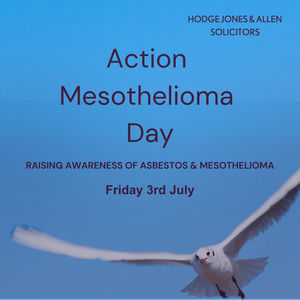
Action Mesothelioma Day 2026, held on Friday 3 July, is a national day of awareness and remembrance for everyone affected by mesothelioma. With thousands diagnosed each year due to past asbestos exposure, this day highlights the importance of support, education, and early legal advice. Learn more about the risks, the history of asbestos use in the UK, and how you can get involved.

The family of former British Rail worker Ted Robinson is appealing for his old colleagues to come forward after the 91‑year‑old died from mesothelioma, an asbestos‑related cancer linked to his years at the Nine Elms depot. Ted’s son, Daren, has spoken of the heartbreaking decline of his previously healthy father and is seeking vital evidence to help specialist Asbestos and Workplace Illness lawyer Lorna Webster investigate how Ted was exposed to deadly asbestos dust.