Asbestos & Workplace Illness
Many former or current construction workers may be concerned about their exposure to asbestos dust at work, or have recently been diagnosed with an asbestos related disease and are exploring their options to seek compensation.

Head of Asbestos & Workplace Illness & Partner



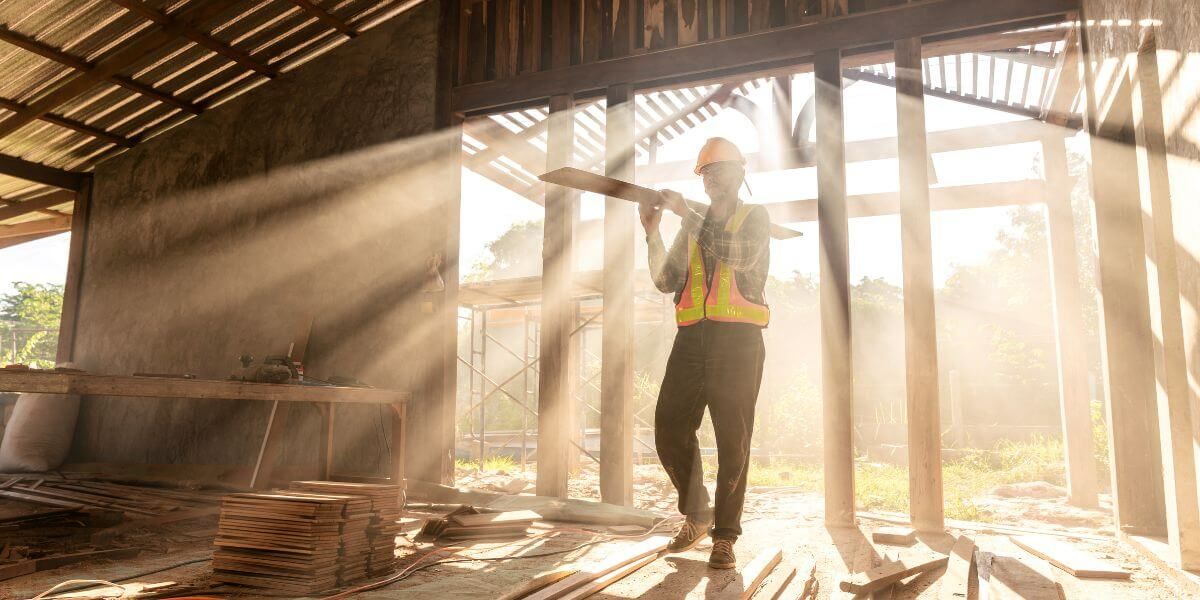
Due to our country’s historical use of a huge amount of asbestos containing materials within the construction of buildings, many construction workers were exposed to asbestos dust between the 1950s and 1980s. In addition, there are construction workers today who are coming across these old asbestos materials during refurbishment or repair works that they are carrying out.
Exposure to asbestos fibres within the construction industry occurs when existing building materials which have asbestos within them, including sheeting, lagging, fire-proofing coverings and rope, are disturbed, damaged or even just weathered over time. This in turn then releases microscopic, breathable asbestos fibres into the air from the material. These asbestos fibres can remain suspended in the air for long periods of time and when inhaled, can become trapped in the lungs, potentially leading to serious diseases like mesothelioma, lung cancer and asbestosis.
If you have been exposed to asbestos and developed an illness, you might be able to claim compensation. Our specialist team can explain your options clearly and calmly – with no obligation to go any further than feels right for you.
Head of Asbestos & Workplace Illness & Partner





“Lorna Webster is a stand out partner with excellent client care skill, legal knowledge, and judgement.”

Asbestos materials were extensively used in the construction of domestic and industrial buildings between the 1950s and 1980s. Those workers who historically used the asbestos materials are at risk of developing asbestos related diseases, as well as people who are disturbing the materials today.
A highly hazardous low-density material widely used in UK construction for fire protection and insulation purposes. It was used in ceiling tiles, wall panels and partitions, as well as soffits, service ducts and fire doors. AIB contains a high percentage of asbestos fibres, typically Amosite (brown asbestos) or Chrysotile (white asbestos). Because the board is soft and friable, it poses a high risk of releasing asbestos fibres when drilled, cut or damaged. Even the chipping off of a board corner releases asbestos fibres.
Asbestos cement is a “bonded material” usually containing Chrysotile (white asbestos) mixed with cement. When the material gets damaged, broken or weathered, it can release asbestos fibres into the air which can then be inhaled. Asbestos cement was often used in sheet form for roofing and cladding and also was used for guttering and water pipes.
Whilst wood does not contain asbestos fibres, asbestos sheeting was often used alongside wood for fire-proofing purposes. For example, fire-proof doors were often constructed of two sheets of wood with an asbestos sheet sandwiched in between them to provide the fire-proofing element.
These include“Artex”which contained asbestos fibres and is often found on ceilings and walls.
To prevent exposure, it is crucial to:
If you have any of the following conditions, you may be able to claim compensation:
Backed by an ‘Excellent’ rating on Trustpilot alongside decades of experience, our dedicated Asbestos and Workplace Illness Team knows the issues around industrial disease and workplace illness, including asbestos litigation, inside out. We have the experience and knowledge to guide you through a claim if you have suffered an illness as a result of being exposed to asbestos dust. In addition, we will ensure you are receiving relevant DWP benefits for your illlness and, if desired, we can also signpost you to your local asbestos support group. Our Solicitors will be by your side at every stage of the claim showing compassion, care and kindness while fighting your corner at every turn.
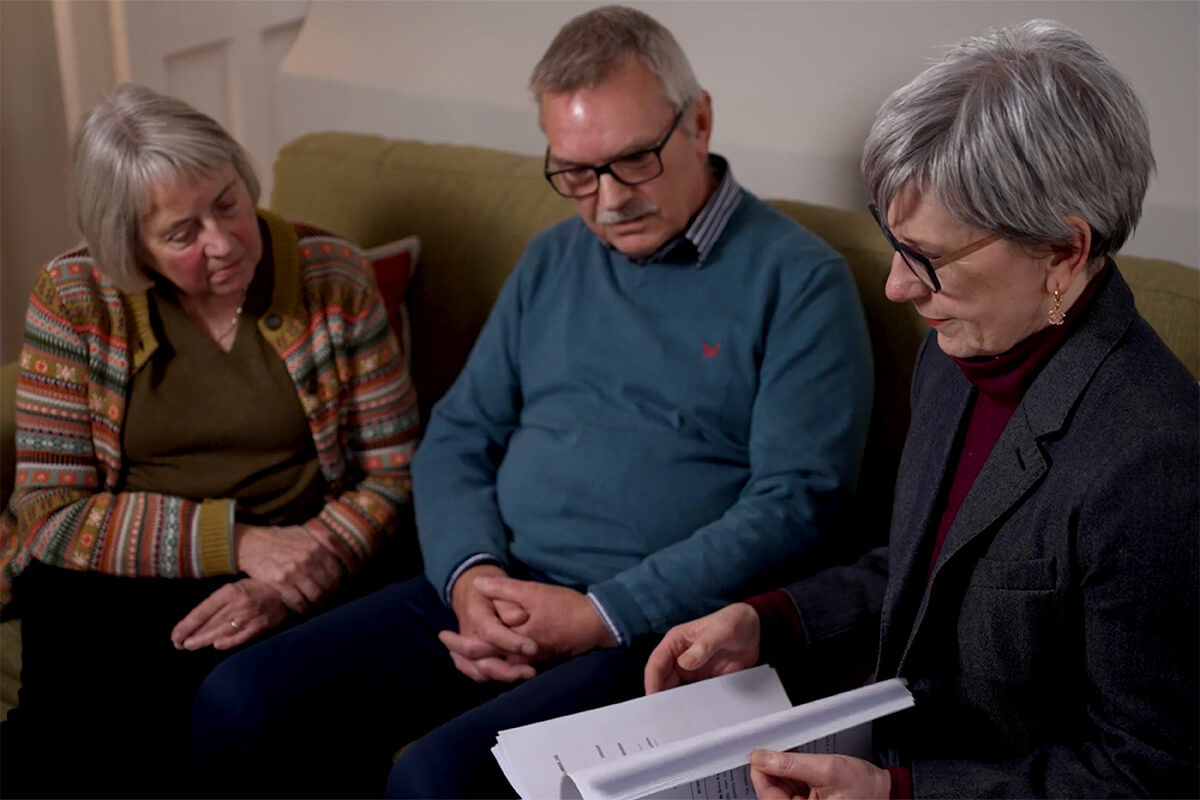
Our specialist asbestos Solicitors are ranked by independent industry guides such as Chambers & Partners and the Legal 500 Guide, as well as being recognised by the Association of Personal Injury Lawyers (APIL) as proven and accredited experts in the field of asbestos claims.
No. It is impossible to identify whether a material has asbestos within it purely by looking at it. If the building was constructed before the year 2000, you should presume asbestos materials are present including textured coatings, insulation, floor tiles, ceiling tiles, lagging and partitioning, until proven otherwise by testing. Suspected asbestos materials can be tested by an accredited laboratory. The safest rule to protect yourself is to assume older buildings contain asbestos materials until proven otherwise.
Yes. Pipe lagging in buildings constructed before the year 2000 have a high risk of being asbestos lagging. Asbestos lagging was commonly used for insulation on pipes, boilers and in heating systems throughout the 1950s to 1980s. Asbestos lagging is considered a high-risk, friable material that can release dangerous fibres if damaged or disturbed.
Yes. The use of all asbestos materials was fully banned in the UK on 24th November 1999 under The Asbestos (Prohibitions) (Amendment) Regulations 1999. The Regulations banned the importation, supply, or use of asbestos containing materials. Therefore, any buildings built before the year 2000 may well have asbestos materials within them and so caution is required.
Crocidolite (blue asbestos) and Amosite (brown asbestos) were banned in the UK in 1985. Blue and brown asbestos are generally considered to be more toxic to health than Chrysotile (white asbestos). Although blue and brown asbestos should not be present in buildings built after 1985, white asbestos was not banned until the 1999 Regulations and was still being used beyond 1985.
If you have been exposed to asbestos and developed an illness, you might be able to claim compensation. Our specialist team can explain your options clearly and calmly – with no obligation to go any further than feels right for you.





Hodge Jones & Allen Solicitors is proud of the many positive testimonials that we receive, reinforced by our ‘Excellent’ rating on Trustpilot. Please read through what some of our clients have had to say about their experience with our legal teams.

Mesothelioma can develop in several different forms, each affecting the body in distinct ways. In this blog our Asbestos team explore the main types including sarcomatoid, biphasic, pleural and peritoneal mesothelioma as well as the rare variants such as testicular and pericardial mesothelioma, helping you understand how they differ and why early awareness matters.
Action Mesothelioma Day 2026, held on Friday 3 July, is a national day of awareness and remembrance for everyone affected by mesothelioma. With thousands diagnosed each year due to past asbestos exposure, this day highlights the importance of support, education, and early legal advice. Learn more about the risks, the history of asbestos use in the UK, and how you can get involved.

The family of former British Rail worker Ted Robinson is appealing for his old colleagues to come forward after the 91‑year‑old died from mesothelioma, an asbestos‑related cancer linked to his years at the Nine Elms depot. Ted’s son, Daren, has spoken of the heartbreaking decline of his previously healthy father and is seeking vital evidence to help specialist Asbestos and Workplace Illness lawyer Lorna Webster investigate how Ted was exposed to deadly asbestos dust.